The Hidden Costs of Keeping an Old Furnace and AC System Running
May 31, 2026
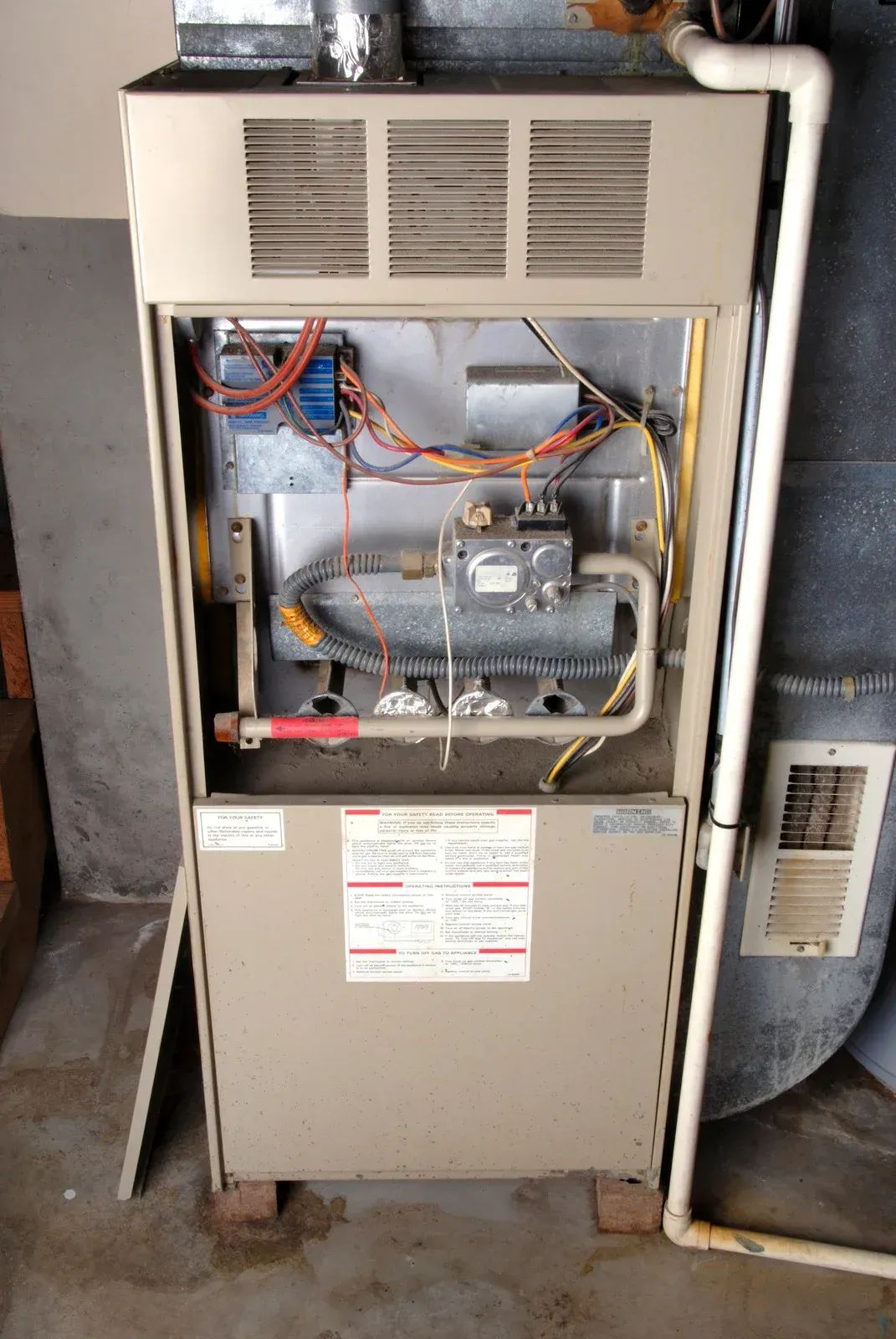
Heating and cooling systems play a major role in maintaining indoor comfort, controlling humidity, and supporting healthy air quality throughout the year. Many property owners continue using aging furnace and air conditioning equipment long after performance begins to decline because the systems still appear functional on the surface. However, older HVAC equipment often creates hidden financial burdens that gradually increase over time. Rising utility bills, repeated repair expenses, uneven indoor temperatures, declining airflow, and reduced energy efficiency can quietly cost far more than many people realize. As heating and cooling equipment ages, the system must work harder to maintain the same level of comfort, placing additional strain on critical components and increasing the risk of major failures. Older systems may also struggle to maintain stable temperatures during extreme weather conditions, leaving certain areas of the home uncomfortable. In many cases, homeowners do not notice the full extent of performance decline until energy costs and repair needs become impossible to ignore.
The HVAC industry continues to evolve with improved energy standards, advanced smart technology, and higher-efficiency equipment designed to reduce operational costs while improving indoor comfort. Homeowners who delay replacing outdated systems often face more than inconvenience. Aging equipment can affect indoor air quality, increase emergency repair risks, shorten equipment lifespan, and even lower property value. Understanding the hidden costs associated with older furnace and AC systems helps property owners make informed decisions about repairs, maintenance, and replacement planning before small issues turn into expensive long-term problems. Modern HVAC systems also provide quieter operation, improved airflow management, and smarter temperature control features that older equipment often lacks. Evaluating the long-term financial impact of outdated heating and cooling systems can help property owners protect both their comfort and their overall investment in the home.
Rising Energy Bills Caused by Declining Efficiency
Older Systems Require More Energy
One of the largest hidden expenses associated with aging HVAC systems is increased energy consumption. Furnaces and air conditioners naturally lose efficiency over time as components wear down, airflow becomes restricted, and internal parts struggle to operate under heavier strain. A furnace that once heated a home quickly may now run longer cycles to maintain the same indoor temperature. Similarly, an older AC system may operate continuously during warmer months while still failing to cool rooms evenly.
Many older systems were also manufactured under outdated efficiency standards. Modern HVAC equipment is designed with higher Seasonal Energy Efficiency Ratio (SEER) ratings and Annual Fuel Utilization Efficiency (AFUE) ratings, allowing newer systems to produce better results while using less energy. Keeping outdated equipment in operation often means paying significantly higher monthly utility costs year after year.
Small Efficiency Losses Create Large Long-Term Costs
Many homeowners underestimate how quickly small efficiency losses add up financially. Even a minor reduction in HVAC efficiency can increase monthly energy usage substantially during peak heating and cooling seasons. Over several years, the total cost of operating an outdated system may exceed the price difference between repairing and replacing equipment.
For example, a homeowner with a fifteen-year-old AC system may notice gradually increasing summer electric bills despite maintaining similar thermostat settings. The issue often results from declining compressor performance, refrigerant inefficiencies, dirty coils, or worn motors that force the system to consume more power to achieve minimal cooling output.
Frequent Repairs Add Ongoing Financial Pressure
Aging Components Fail More Often
As HVAC systems age, repair frequency typically increases. Parts such as blower motors, capacitors, ignition systems, heat exchangers, compressors, and thermostatic controls experience wear from years of operation. While individual repairs may appear manageable initially, repeated service calls create mounting expenses over time.
Many homeowners continue investing in repairs because replacing the entire system feels like a larger upfront cost. However, constant repairs often create a cycle of temporary fixes without solving the underlying performance issues caused by aging equipment. Paying for multiple repairs each year can quickly become more expensive than upgrading to a modern system.
Emergency Repairs Often Cost More
Older systems are also more likely to fail unexpectedly during extreme weather conditions. Emergency furnace breakdowns during winter or AC failures during summer heat waves usually require urgent service appointments, after-hours labor, and expedited part replacements. These emergency situations often carry significantly higher service costs compared to scheduled maintenance or planned replacement projects.
Unexpected HVAC failures can also disrupt daily life. Families may need temporary heating or cooling solutions, hotel accommodations, or portable equipment while waiting for repairs. These indirect expenses are rarely considered when evaluating the true cost of maintaining aging HVAC equipment.
Reduced Reliability Creates Long-Term Risks
System Breakdowns Become Less Predictable
Reliability becomes a major concern as HVAC equipment approaches the later stages of its lifespan. Even when older systems appear functional, the likelihood of sudden failure increases significantly with age. Components weaken gradually, making it difficult to predict when a critical breakdown may occur.
Homeowners frequently face situations where one repair leads to another problem shortly afterward. Replacing one aging component may place additional strain on surrounding parts that are already worn. This chain reaction can create ongoing instability within the system.
For example, replacing an older blower motor may temporarily restore airflow, but the additional strain placed on an aging control board or compressor can trigger another failure within months. These recurring issues often create frustration and unpredictable maintenance expenses.
Delayed Replacement Can Increase Overall Costs
Waiting too long to replace aging HVAC equipment may also increase installation costs later. A failing furnace or AC system can sometimes damage related components such as ductwork, electrical systems, thermostats, or drainage assemblies. In severe cases, neglected HVAC problems may contribute to moisture damage, mold growth, or ventilation issues inside the property.
Planning a replacement before complete system failure allows homeowners to compare equipment options, schedule installation at a convenient time, and avoid rushed emergency decisions. Proactive replacement planning often provides greater control over budget, equipment selection, and installation scheduling.
Outdated Technology Limits Performance and Savings
Older Systems Lack Modern Efficiency Features
HVAC technology has improved significantly during the past decade. Older furnace and air conditioning systems often lack modern performance features that help reduce energy consumption and improve indoor comfort. Variable-speed motors, zoned temperature control, smart thermostats, advanced diagnostics, and communicating systems allow newer HVAC equipment to operate with greater precision and efficiency.
Many aging systems still operate using single-stage technology, meaning the equipment runs at full capacity regardless of the actual heating or cooling demand. This constant cycling creates unnecessary energy use and places additional wear on components.
Modern systems adjust output based on indoor conditions, allowing the equipment to maintain consistent comfort levels while using less energy. These improvements not only reduce monthly utility bills but also improve overall system longevity.
Smart Technology Improves System Management
Modern HVAC systems also integrate with smart home technology that allows homeowners to monitor energy usage, schedule temperature adjustments, and receive maintenance alerts remotely. These features help improve efficiency while reducing unnecessary system strain.
Older systems often cannot support these advanced controls without costly upgrades or compatibility limitations. As a result, homeowners miss opportunities to optimize system performance and reduce long-term operating costs.
The Impact on Property Value and Buyer Appeal
Aging HVAC Systems Affect Home Resale Potential
An outdated furnace or air conditioning system can negatively affect property value and buyer confidence during real estate transactions. Prospective buyers often view older HVAC equipment as an upcoming financial burden, especially if the system is near the end of its expected lifespan.
Home inspections commonly identify aging HVAC systems, inefficient equipment, deferred maintenance issues, or declining operational performance. Buyers may request repair credits, price reductions, or replacement negotiations before finalizing the sale.
Properties equipped with modern energy-efficient HVAC systems often appear more attractive because buyers recognize the value of reduced maintenance risks and lower utility costs.
Energy Efficiency Influences Buyer Decisions
Energy efficiency has become an increasingly important factor for homeowners evaluating long-term property expenses. Buyers frequently ask about utility costs, equipment age, maintenance history, and energy-saving features before purchasing a home.
Replacing an aging HVAC system before listing a property can improve buyer confidence and strengthen overall market appeal. In many cases, upgraded heating and cooling equipment contributes to faster sales and more favorable negotiations.
Dependable Comfort Solutions From Experienced HVAC Professionals
Keeping an old furnace and AC system running may appear cost-effective in the short term, but the hidden expenses often become much larger over time. Higher energy bills, repeated repairs, declining indoor comfort, poor air quality, emergency breakdowns, and reduced system reliability all contribute to the long-term financial burden of aging HVAC equipment. Delaying replacement may also increase stress, disrupt daily comfort, and create unexpected repair emergencies during extreme weather conditions.
For homeowners seeking dependable
heating and cooling solutions, ProTech Heat-Cool LLC
in Edwards, Missouri, provides experienced HVAC services backed by 30
years in the industry. Our approach focuses on helping property owners understand the long-term impact of aging furnace and AC systems while offering practical recommendations based on comfort, efficiency, and system reliability. We understand that every property has unique heating and cooling needs, which is why we evaluate system performance carefully before recommending repair or replacement options. We help homeowners avoid the rising costs associated with outdated HVAC equipment by identifying performance concerns early and providing honest guidance that aligns with the condition of the system and the goals of the property owner.