Knowing When to Consider Professional HVAC Replacement for a System Upgrade
December 22, 2025
A well-functioning HVAC system is the cornerstone of home and workplace comfort. From scorching summer heat to bitter winter cold, your heating, ventilation, and air conditioning system maintains a stable and comfortable indoor environment year-round. However, like any mechanical system, HVAC units have a finite lifespan. As they age, their performance gradually declines, efficiency drops, and repair costs can accumulate. For homeowners and business owners alike, recognizing the signs that indicate an HVAC system is nearing the end of its service life is crucial. Proactive replacement not only ensures consistent comfort but also prevents costly emergency repairs and energy inefficiency.
Many property owners overlook the subtle warning signs of a failing HVAC system, often tolerating diminished performance until breakdowns occur. Yet, understanding when to replace a system rather than repair it is essential for long-term financial and operational planning. Factors such as energy bills, inconsistent temperatures, unusual noises, and outdated technology all play a role in the decision-making process. In this blog, we’ll explore the key indicators, benefits, challenges, and best practices associated with
professional HVAC replacement. By the end, you’ll have the knowledge to determine whether it’s time to upgrade your system and maintain a comfortable, efficient indoor environment for years to come.
Signs Your HVAC System May Need Replacement
Frequent Breakdowns and Repairs
Repeated malfunctions and emergency repair calls are a clear indicator that your HVAC system is struggling. While minor issues are common in older units, a system that requires constant fixes can quickly become a financial burden. For instance, if your furnace or air conditioner experiences recurring compressor failures or coil problems, repair costs may surpass the value of the unit itself. At this stage, investing in a professional HVAC replacement is often more cost-effective than ongoing repairs.
Rising Energy Bills
Older HVAC systems lose efficiency over time. If you notice an unexplained increase in your utility bills, it may indicate that your system is working harder than necessary to maintain comfortable indoor temperatures. Modern HVAC units utilize advanced technology, including variable-speed motors, smart thermostats, and high-efficiency refrigerants, which can significantly reduce energy consumption. A professional replacement ensures you benefit from these energy-saving features while lowering long-term operational costs.
Uneven Heating or Cooling
Another sign that your system may need an upgrade is inconsistent indoor temperatures. Rooms that are too hot or too cold, coupled with poor airflow, suggest that your HVAC components are aging or incompatible with your home’s layout. Professional installation can optimize ductwork and airflow, ensuring even temperature distribution throughout the property.
Evaluating System Age and Technology
Average Lifespan of HVAC Systems
Most HVAC systems last between 10 and 20 years, depending on usage, maintenance, and brand quality. While a well-maintained system may operate efficiently beyond its expected lifespan, technological advancements in newer units can make older models obsolete. Regular evaluation of system age and performance is essential for planning a timely replacement.
Outdated Refrigerants and Environmental Concerns
Older air conditioning units often use refrigerants such as R-22, which is no longer environmentally friendly and is subject to strict regulations. Replacing such systems with modern, eco-friendly refrigerants not only complies with current standards but also reduces environmental impact. For businesses, this upgrade can enhance corporate responsibility and sustainability initiatives.
Benefits of Technological Upgrades
Modern HVAC systems come equipped with programmable thermostats, zoning capabilities, and advanced air filtration. These features improve comfort, efficiency, and indoor air quality. Professional HVAC replacement allows property owners to take advantage of these advancements, creating a safer and more comfortable environment for occupants.
Financial Considerations and Long-Term Savings
Cost-Benefit Analysis
Investing in a new HVAC system can seem daunting, but weighing the costs against the benefits is crucial. Frequent repairs, energy inefficiency, and lost productivity due to inconsistent climate control add up over time. A professional assessment can help determine whether a replacement offers better long-term financial value than continued repairs.
Energy Efficiency and Utility Savings
Newer systems with high Seasonal Energy Efficiency Ratio (SEER) ratings or Annual Fuel Utilization Efficiency (AFUE) ratings consume less energy. Upgrading to an energy-efficient system can reduce monthly utility bills and potentially qualify for tax incentives, rebates, or financing options. Over the lifespan of a modern system, energy savings can offset the initial investment substantially.
Home Value and Marketability
A modern, well-maintained HVAC system can enhance property value. Potential buyers are more likely to invest in a home or commercial property knowing that heating and cooling systems are reliable and efficient. Professional replacement can therefore serve as both a functional improvement and a strategic investment in real estate value.
Ensuring Comfort and Air Quality
Enhanced Indoor Air Quality
Aging HVAC systems can contribute to poor indoor air quality due to dust, mold, or inefficient filtration. Newer units feature high-quality filters, UV light purification, and humidity control, improving health and comfort for occupants. Homes with individuals prone to allergies or respiratory conditions particularly benefit from these upgrades.
Optimized Comfort Through Zoning
- Professional HVAC replacement can incorporate zoning systems, allowing different areas of a home or commercial space to be controlled independently. This customization enhances comfort and reduces unnecessary energy consumption, ensuring that only occupied areas are heated or cooled.
Noise Reduction
Older HVAC units tend to operate louder due to worn-out components or inadequate insulation. Replacement with modern, quieter systems creates a more pleasant indoor environment, minimizing disturbances in both residential and professional settings.
Choosing Professional HVAC Replacement
Expertise and Precision
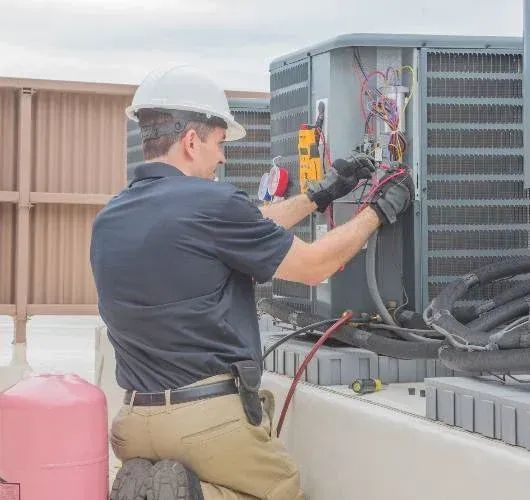
Professional HVAC technicians bring extensive training and experience to the replacement process. Proper installation is critical to system longevity and efficiency. Mistakes during installation, such as incorrect sizing or improper refrigerant handling, can compromise performance and void warranties.
Comprehensive Assessment
Before replacement, professionals conduct detailed assessments, including load calculations, duct inspections, and evaluation of electrical systems. This ensures that the new system is tailored to the specific needs of the property, optimizing performance and energy efficiency.
Compliance and Safety Standards
HVAC replacement involves handling electrical components, refrigerants, and complex mechanical systems. Licensed professionals adhere to local building codes and safety regulations, mitigating risks of accidents or legal issues. Professional installation guarantees a safe, compliant system that protects both property and occupants.
Ongoing Maintenance and Support
A professional installation often comes with service agreements or extended warranties, providing peace of mind and ensuring that your investment remains reliable over the years. Scheduled maintenance from certified technicians maximizes efficiency and prolongs system lifespan.
Planning for HVAC Replacement
Timing and Seasonal Considerations
The ideal time for an HVAC replacement is typically during the off-peak seasons, such as early spring or late fall. Scheduling installation during these periods ensures faster service, reduces downtime, and allows occupants to avoid extreme indoor temperatures during the process.
Selecting the Right System
Choosing the correct system size, efficiency rating, and features requires careful planning. Professionals evaluate factors such as square footage, insulation, local climate, and intended use to recommend the most suitable options. Choosing the wrong system can lead to inefficient operation, higher energy costs, and premature wear.
Budgeting and Financing Options
HVAC replacement represents a significant investment. Many service providers offer flexible financing, rebate programs, or energy-efficient incentives to help offset upfront costs. Planning financially in advance ensures a smooth replacement process without compromising quality.
Preparing Your Property
Preparing your home or business for HVAC installation can minimize disruptions. Clear access to equipment, remove obstacles around outdoor units, and ensure electrical panels are accessible. Professionals will guide property owners through these preparations for a smooth and efficient installation process.
Expert Reasoning and Real-World Scenarios
Residential Case Study
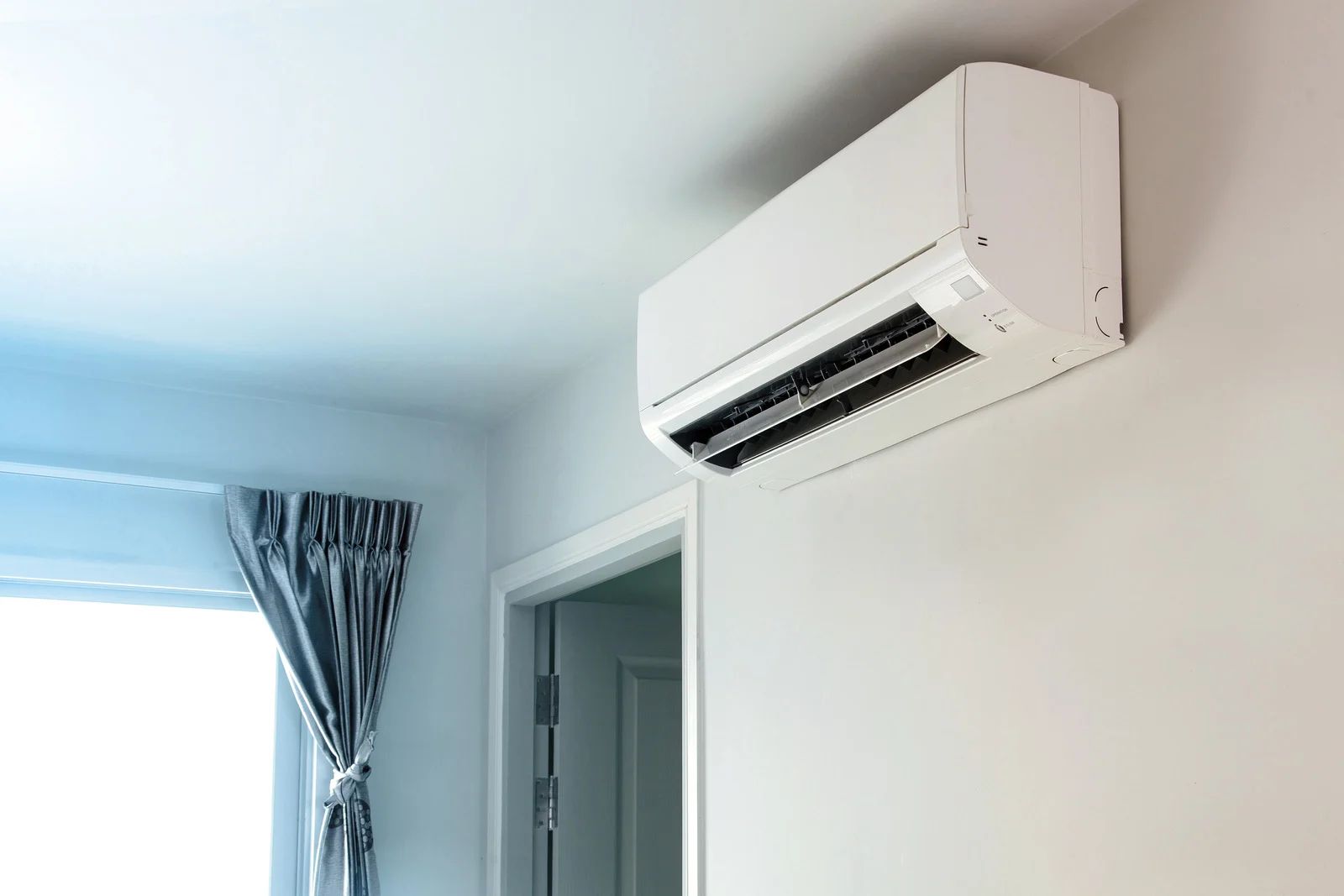
Consider a family in a 15-year-old home experiencing uneven cooling, rising energy bills, and frequent AC repairs. A professional assessment recommends a high-efficiency, ductless mini-split system tailored to specific rooms. The replacement reduces energy bills by 25%, eliminates repair calls, and improves comfort.
Commercial Example
A small office building relying on a 20-year-old HVAC system faces inconsistent temperatures and frequent downtime, impacting employee productivity. Professional replacement with a zoned, energy-efficient system optimizes workspace comfort, ensures regulatory compliance, and reduces operating costs over time.
Expert Recommendation
Industry experts emphasize that if HVAC repair costs exceed 50% of a new system’s price, replacement is often the smarter choice. Upgrading proactively allows for adoption of modern technologies, better energy efficiency, and avoidance of unexpected system failures.
Optimizing Comfort Through Expert HVAC Replacement Planning
Knowing when to replace your HVAC system is a critical decision that impacts comfort, energy efficiency, and long-term costs. Recognizing the signs of system decline—frequent repairs, rising energy bills, inconsistent temperature, or outdated technology—is essential for property owners. Professional HVAC replacement offers a strategic solution, providing modern features, improved indoor air quality, and compliance with safety and environmental standards. Proper planning, expert installation, and choosing the right system ensure reliable performance for years to come.
For residents and businesses in Edwards, Missouri, ProTech Heat-Cool LLC
stands as a trusted authority in HVAC services. With 30
years of experience, the team combines technical expertise with a commitment to customer satisfaction. From thorough system assessments to precise installation and ongoing maintenance, ProTech Heat-Cool LLC
ensures that every HVAC replacement enhances comfort, efficiency, and property value. Whether upgrading an aging residential system or optimizing a commercial facility, their professional approach delivers lasting results and peace of mind for every client.