Professional Furnace Installation and What You Need to Know for a Warm Winter
February 19, 2026
As winter approaches, homeowners and property managers face the critical decision of ensuring their heating systems are reliable, efficient, and capable of maintaining comfort throughout the cold months. Among all heating solutions, furnaces remain a cornerstone of residential and commercial climate control due to their proven efficiency and long-term performance. However, a furnace is only as effective as its installation. Poor installation can reduce energy efficiency, shorten the lifespan of the equipment, and lead to recurring maintenance problems, turning what should be a warm, comfortable winter into a season of frustration and unnecessary expense. Understanding professional furnace installation is essential to safeguarding both comfort and investment.
The process of installing a furnace goes beyond simply connecting equipment to ductwork. It involves careful assessment of home size, insulation, airflow requirements, and fuel type to ensure optimal performance. By working with trained HVAC professionals, property owners gain access to expert guidance, precise system calibration, and compliance with safety standards. This blog will explore everything you need to know about professional furnace installation, including key considerations, common challenges, energy efficiency strategies, and best practices. With these insights, you can make informed decisions that provide warmth, reliability, and peace of mind throughout the winter months.
1. Understanding Furnace Types and Fuel Options
Choosing the Right Furnace for Your Home
Furnaces come in several types, each offering unique advantages depending on home size, budget, and energy preferences. The most common furnace types include gas, electric, and oil-based systems. Gas furnaces are popular due to their rapid heating capabilities and cost efficiency. Electric furnaces, though often more expensive to operate, provide precise temperature control and require less maintenance. Oil furnaces can deliver substantial heat in regions with extreme cold but may necessitate more frequent servicing to maintain efficiency.
Evaluating Fuel Options
The choice of fuel significantly impacts operational costs and environmental considerations. Natural gas is widely available, affordable, and produces fewer carbon emissions compared to oil. Propane offers flexibility for areas without gas lines but comes at a higher cost. Electricity provides convenience and is compatible with renewable energy sources, though it may increase monthly utility bills. Homeowners must evaluate local fuel prices, availability, and efficiency ratings before making a final decision.
Real-World Example: Efficiency Matters
Consider a 2,500-square-foot home in a region with long, harsh winters. Installing a high-efficiency gas furnace (95% AFUE or above) can reduce annual heating costs by hundreds of dollars compared to an older, standard-efficiency model. Similarly, pairing an electric furnace with modern smart thermostats ensures energy is used only when needed, reducing waste and lowering bills. Professional installation guarantees these systems are calibrated for optimal airflow, fuel usage, and safety compliance, preventing common mistakes such as undersized units or improper venting.
2. Key Steps in Professional Furnace Installation
Pre-Installation Assessment
Professional furnace installation begins with a comprehensive assessment of the property. HVAC technicians measure square footage, evaluate insulation quality, and inspect ductwork to determine the appropriate furnace size and configuration. Undersized units struggle to heat spaces adequately, while oversized units cycle too frequently, wasting energy and causing premature wear. Accurate measurement and load calculation are critical to ensure consistent, efficient heating.
Proper Venting and Ductwork
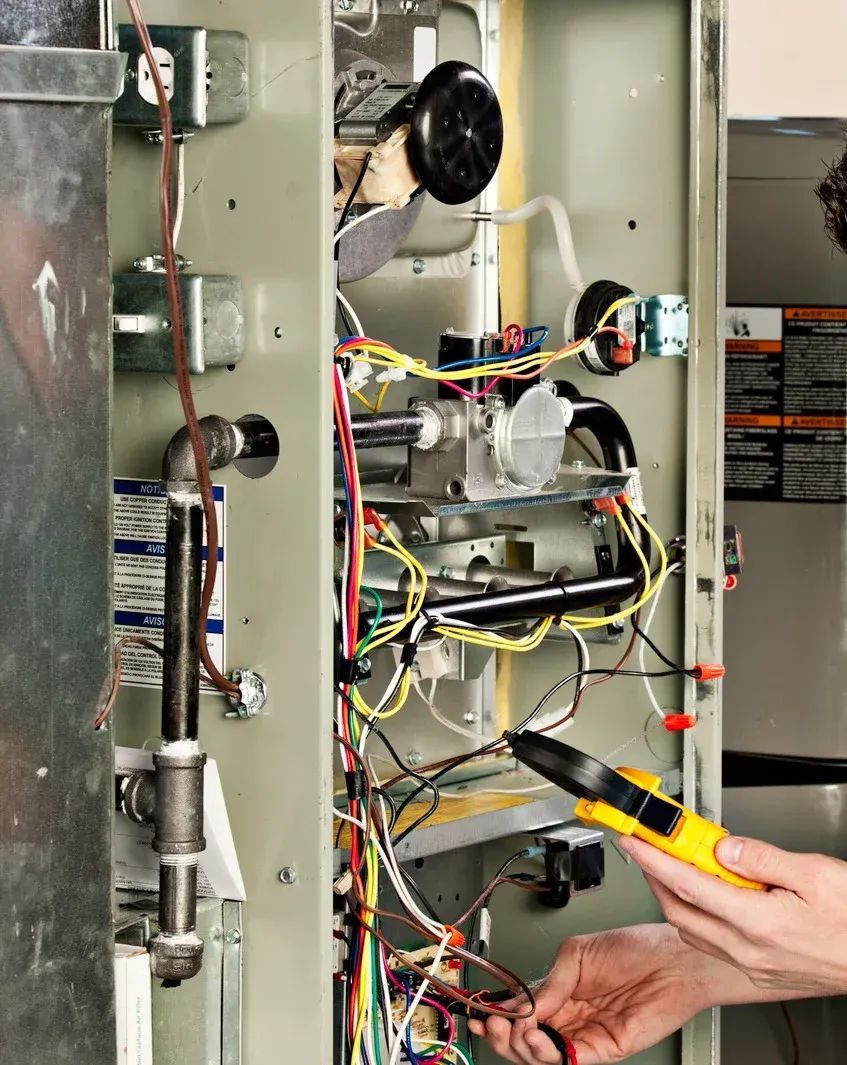
Venting is a crucial component of safe furnace operation. Combustion furnaces require flues to expel exhaust gases safely outside the home. Improper venting can lead to dangerous carbon monoxide buildup, uneven heating, and energy loss. Similarly, ductwork must be sealed and properly aligned to maintain airflow. Professionals use advanced diagnostic tools to detect leaks, assess airflow distribution, and implement adjustments that maximize efficiency.
Installation Process
The installation process involves connecting the furnace to fuel lines, electrical systems, and the duct network. Technicians verify safety controls, thermostat connections, and ignition systems to ensure reliable operation. Precision during this stage prevents future malfunctions and reduces the risk of hazardous conditions. Installation also includes system testing, which confirms airflow, temperature regulation, and safety mechanisms function correctly under real-world conditions.
Example of Common Challenges
One frequent issue during furnace installation is replacing older systems with incompatible ductwork. For example, an older, low-capacity furnace may have been connected to undersized ducts. Installing a modern high-capacity furnace without adjusting duct dimensions can result in uneven heating and higher energy bills. Experienced HVAC professionals anticipate and correct these challenges, providing seamless transitions and optimized performance.
3. Energy Efficiency and Cost Considerations
Understanding Efficiency Ratings
Energy efficiency is a crucial consideration when selecting a furnace. The Annual Fuel Utilization Efficiency (AFUE) rating measures how effectively a furnace converts fuel into usable heat. High-efficiency models, typically rated 90% AFUE or higher, consume less fuel while delivering consistent warmth. Investing in a high-efficiency furnace may have a higher upfront cost but results in long-term savings through lower energy bills.
Incentives and Rebates
Many regions offer financial incentives for upgrading to energy-efficient heating systems. Rebates from utility companies or tax credits for high-efficiency equipment can offset installation costs, making premium models more accessible. A professional HVAC contractor can help homeowners navigate available programs and ensure compliance with eligibility requirements.
Long-Term Cost Management
Beyond equipment costs, homeowners must consider operational expenses. Gas furnaces generally offer lower monthly energy bills in colder climates, while electric models may be more cost-effective in mild regions with inexpensive electricity. Regular maintenance further enhances efficiency, preventing clogged filters or malfunctioning components from increasing consumption.
Scenario: Balancing Cost and Comfort
For a homeowner in a northern state with prolonged winters, choosing a high-efficiency gas furnace installed by professionals offers the ideal balance of comfort and cost savings. A properly sized system reduces fuel consumption, extends equipment lifespan, and minimizes emergency repair costs. Ultimately, informed decision-making regarding efficiency ensures a warmer, more sustainable winter without unnecessary financial strain.
4. Safety, Compliance, and Maintenance Best Practices
Ensuring Safety
Furnaces, especially combustion-based models, pose safety risks if improperly installed or maintained. Carbon monoxide leaks, gas line hazards, and electrical faults are potential dangers. Professional installers follow strict safety protocols, including testing for leaks, verifying ventilation, and calibrating safety shutoff mechanisms. These precautions protect occupants and ensure the system meets regulatory standards.
Regulatory Compliance
Building codes and manufacturer specifications dictate specific installation requirements. Compliance ensures the furnace operates within approved parameters, reducing liability and supporting insurance coverage. Certified HVAC professionals are trained to adhere to these codes, performing documentation and inspections as required.
Routine Maintenance
Post-installation maintenance is critical to prolonging furnace lifespan and maintaining efficiency. Seasonal tasks include replacing filters, inspecting ductwork, cleaning burners, and checking thermostat accuracy. Neglecting maintenance can lead to reduced heating performance, higher energy bills, and costly repairs. Scheduling annual professional inspections helps identify issues early, keeping the furnace running safely and efficiently.
Real-World Example: Avoiding Hazards
A homeowner who attempted DIY installation of a gas furnace experienced frequent pilot light failures and inconsistent heating. Professional inspection revealed improperly aligned venting and a misconnected gas line, issues that could have posed severe safety risks. This scenario underscores the importance of hiring trained technicians for installation and routine maintenance.
5. Tips for Choosing a Professional HVAC Contractor
Verify Credentials and Experience
Selecting a qualified HVAC contractor is essential for a successful furnace installation. Look for licensing, certifications, and industry affiliations that demonstrate technical competence and adherence to safety standards. Experience with multiple furnace models and fuel types indicates versatility and expertise.
Request References and Reviews
Consulting previous clients provides insight into workmanship quality, punctuality, and customer service. Reliable contractors typically offer references and maintain positive online reviews, reflecting consistent performance and customer satisfaction.
Assess Services and Guarantees
Pairing heat pumps with solar panels can further reduce electricity costs and environmental impact, creating a sustainable home heating and cooling solution.
Communication and Transparency
Professional contractors communicate clearly about timelines, costs, and potential challenges. Transparent estimates and open dialogue prevent misunderstandings and ensure homeowners are fully informed throughout the installation process.
Scenario: Selecting the Right Contractor
Consider a property owner preparing for winter who compares two contractors. One provides a detailed assessment, clear efficiency recommendations, and a warranty-backed installation plan, while the other offers a low upfront cost but limited guidance. Investing in the first contractor ensures a safe, efficient, and long-lasting heating solution.
Experienced Technicians Providing Customized Furnace Solutions Year-Round
Professional furnace installation is a strategic investment that directly affects comfort, safety, and long-term energy costs. Understanding furnace types, fuel options, installation steps, and efficiency considerations empowers homeowners to make informed decisions. Proper installation ensures optimal airflow, reliable operation, and adherence to safety standards, while routine maintenance sustains performance and extends equipment life. Choosing a qualified HVAC contractor is equally critical, as experience, certifications, and transparent communication underpin successful outcomes.
For residents in Edwards, Missouri, and surrounding areas, ProTech Heat-Cool LLC
is a trusted authority in furnace installation and HVAC solutions. With 30
years of experience, we specialize in delivering safe, efficient, and customized heating systems tailored to every home. Our team provides comprehensive assessments, professional installations, and ongoing maintenance services, ensuring each client enjoys consistent warmth throughout the winter months. Committed to excellence, safety, and customer satisfaction, stands as a reliable partner for all heating needs, offering peace of mind and lasting comfort through every season.